Not every feature rollout needs to be flashy to be important.
Some updates make growth easier. Some remove friction from monetization. Others solve the quieter operational problems teams deal with every day, like unclear analytics, messy draft experiments, limited access controls, or clunky checkout experiences on TV.
That is what this latest set of updates feels like.
Instead of chasing novelty for the sake of it, these features improve how platforms are run in the real world. They help teams move faster, stay in control, and make better decisions without adding more operational mess.
Here’s what’s new.
Referral and Rewards That Feel Built In
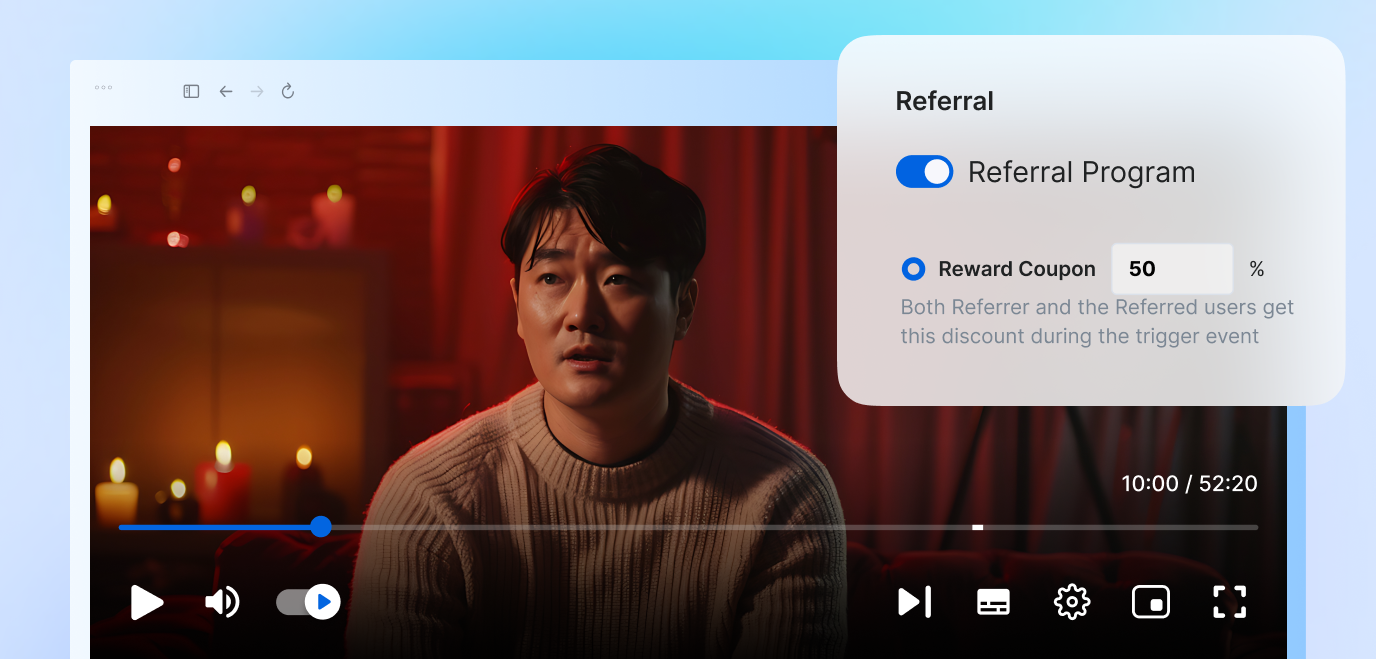
Referral programs work best when they feel like a natural part of the platform, not something managed through a separate tool.
Muvi One now lets you run a built-in referral and rewards program directly from your dashboard. Users can invite friends and family through a referral link or code, and both the referrer and the referred user can receive discount-based rewards based on rules set by the admin. You can decide when rewards should unlock, such as on signup or after a valid purchase, and track performance through built-in analytics.
This makes the feature useful across different growth scenarios. Teams can use it to drive subscription growth, promote pay-per-view content, support campaign-led acquisition, or move free users toward paid conversion through referrals.
AI Subtitles and Translation That Cut Down the Manual Load
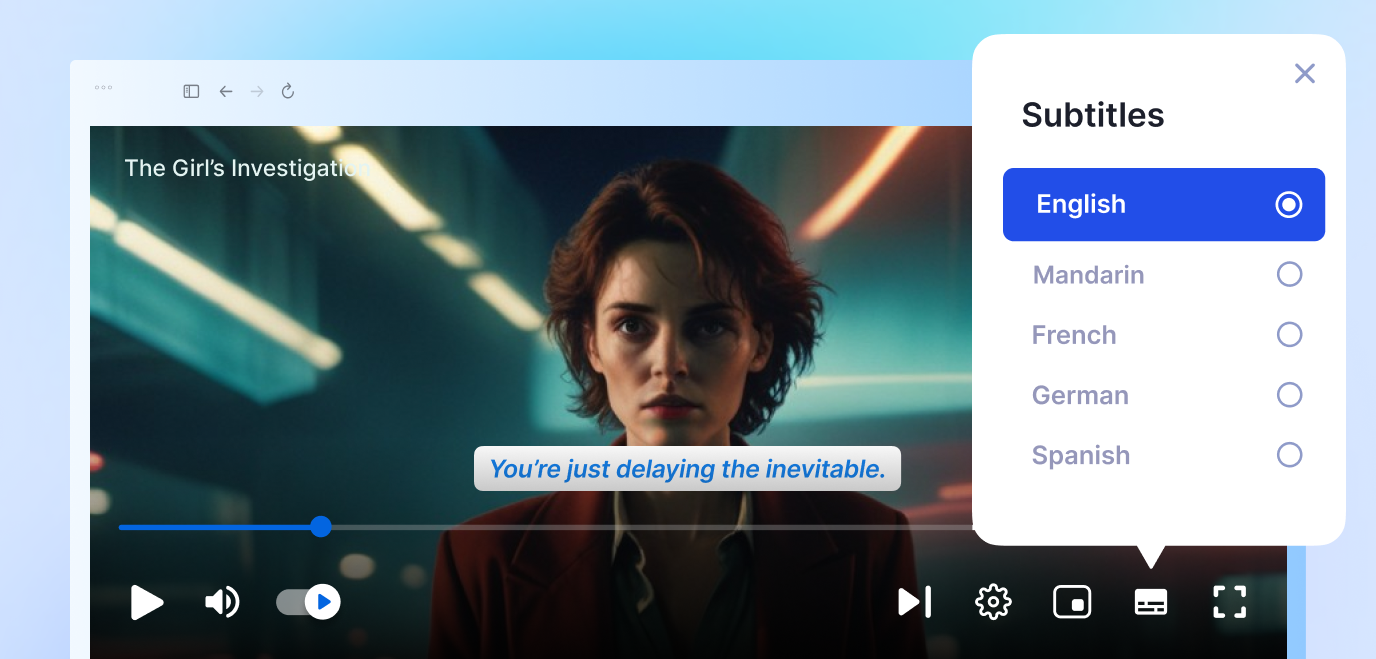
Subtitles and translations are usually high on the priority list and high on the manual workload too.
The latest AI updates make both processes easier to handle.
With AI Subtitles, teams can generate subtitles in one click, with automatic language detection and a faster speech-to-text workflow. With support for 100+ languages, it becomes much easier for large content libraries, training platforms, educational content, and multilingual catalogs to prepare videos for release without the usual manual effort.
AI Translation solves the next problem. Once subtitles are available, they can be translated into 200+ languages with a simple click. That makes localization easier to scale, especially for platforms that want to reach users across regions without running slow, repetitive translation workflows for every new piece of content.
Together, these two updates make accessibility and multilingual reach more practical. Not just aspirational.
New Payment Gateways That Match Local Buying Behavior Better
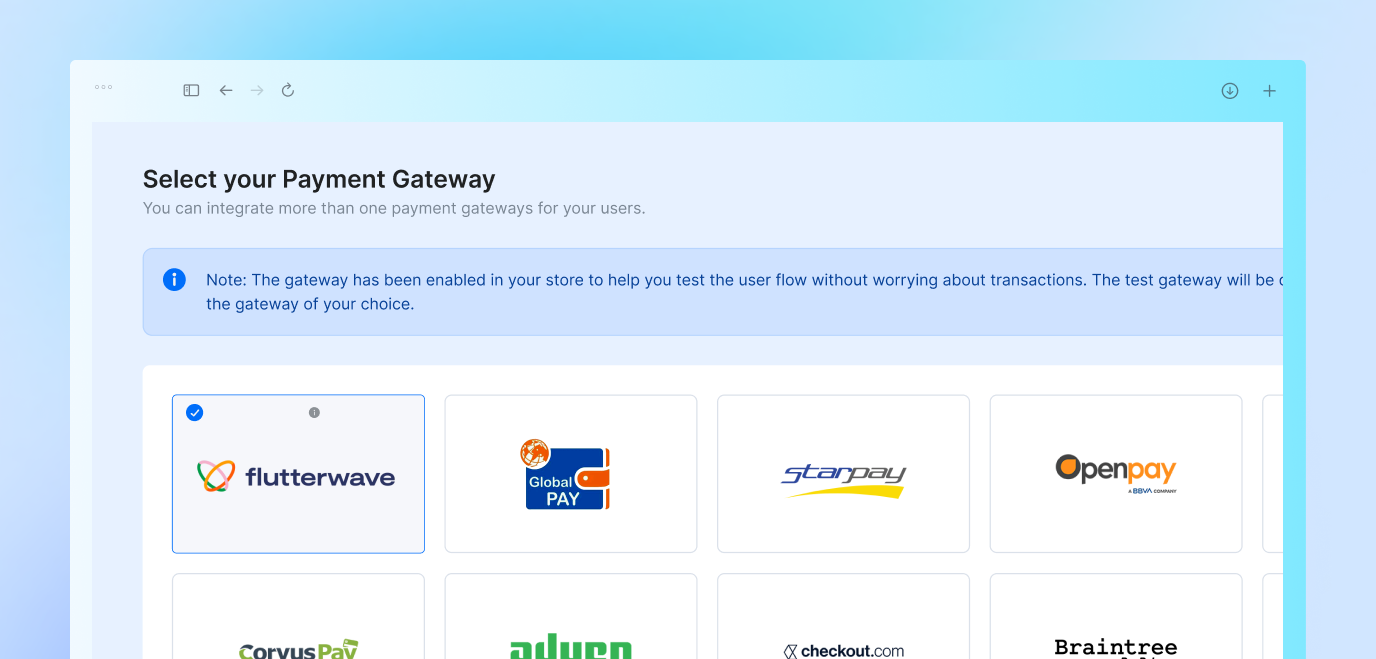
A payment flow can look perfectly functional and still fail if it does not feel familiar to the person trying to buy.
That is why the latest gateway additions matter. They are not just about increasing the number of payment options. They are about reducing friction in the markets where that friction is often highest.
Flutterwave for broader African monetization
Flutterwave brings stronger payment support across African markets, with support for both subscriptions and pay-per-view. Local currency billing, region-relevant payment methods, and broader market coverage make it easier for platforms to offer a checkout experience that feels more natural to users in countries like Nigeria, Kenya, Ghana, and South Africa.
GlobalPay for Localized PPV payments
GlobalPay supports a more focused use case. It is especially relevant for pay-per-view and one-time purchase workflows in markets like Nigeria and nearby regions. That makes it a strong addition for platforms that want a simpler, more localized purchase flow for premium access rather than a broader recurring billing story.
StarPay for QR payments in the Philippines
StarPay brings in QR-based checkout for the Philippines, which is a very practical addition for mobile-first, one-time purchase behavior. Instead of forcing a card-first payment experience, users can scan and pay through supported banking apps. That makes pay-per-view purchases feel faster and more familiar, especially for live events, screenings, and one-time content access.
The bigger picture here is simple. Monetization works better when payment feels local, trusted, and easy to complete.
Define What Counts as a View
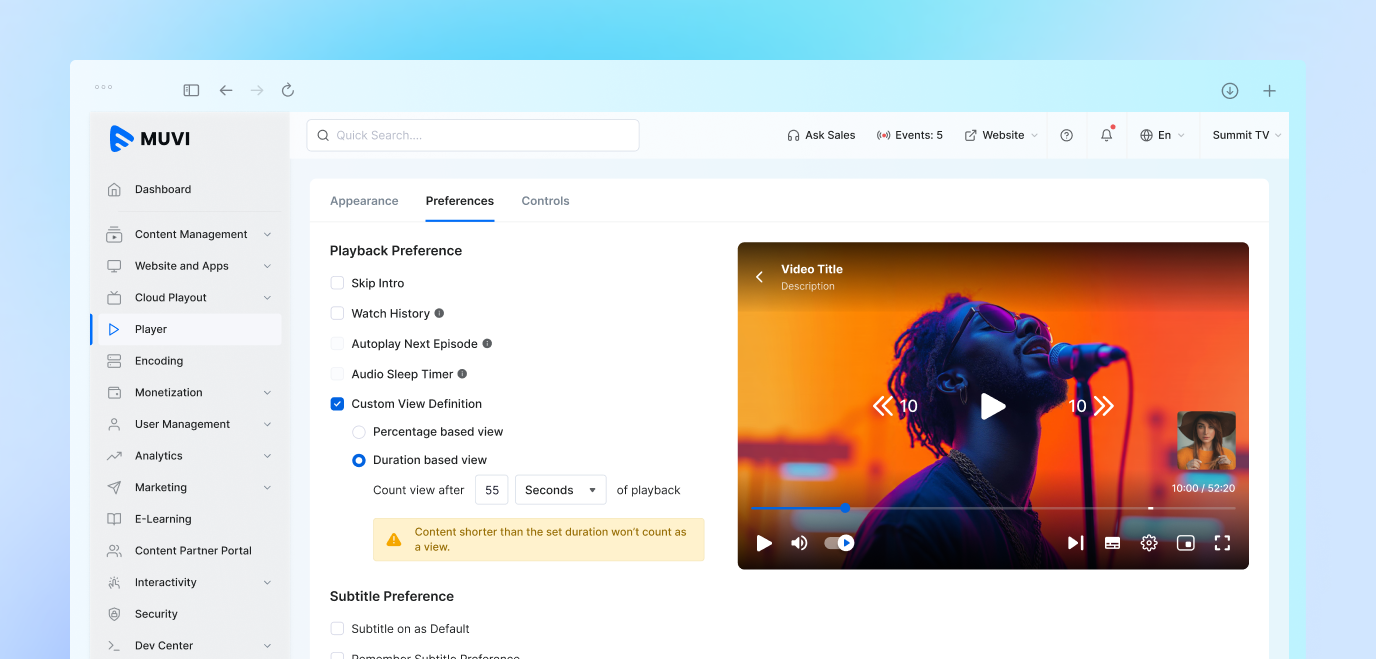
Views are one of the most commonly used metrics in streaming. They are also one of the easiest to misinterpret.
For some platforms, a view after ten seconds may be enough. For others, it may only count after 25 percent watch time. Without that control, engagement numbers can become inflated, payouts can become harder to justify, and reporting can start looking cleaner than it really is.
This new update gives teams the ability to define what a valid view actually means on their platform.
That makes the metric more useful. It helps measure real engagement, avoids inflated counts, supports more accurate revenue sharing, and gives teams tighter control over how business logic is applied to playback and performance.
Historical User Analytics That Show How Users Actually Move
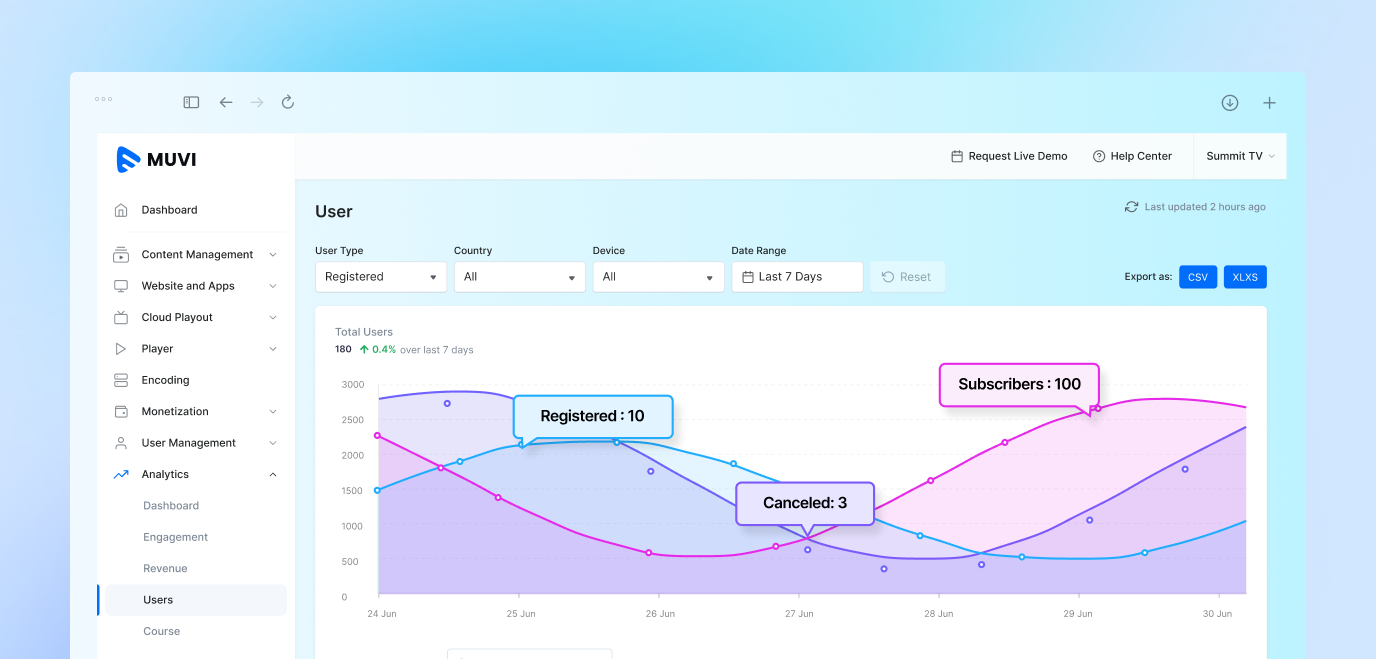
With Historical User Analytics, teams can go beyond a snapshot of what users are doing right now and analyze how they move across the platform over time. That includes registered users, subscribers, pay-per-view users, and cancelled users.
That kind of visibility matters because most real business questions are not about the present in isolation. They are about movement.
How many users cancelled in a specific period? Which users became subscribers last week? Are one-time purchases increasing over time? Did a campaign drive real subscription purchases or just temporary activity?
This update helps answer those questions more clearly. And for teams focused on retention, conversion, and campaign impact, that makes it far more useful than a surface-level analytics add-on.
Draft Reset That Makes Website Experimentation Less Risky
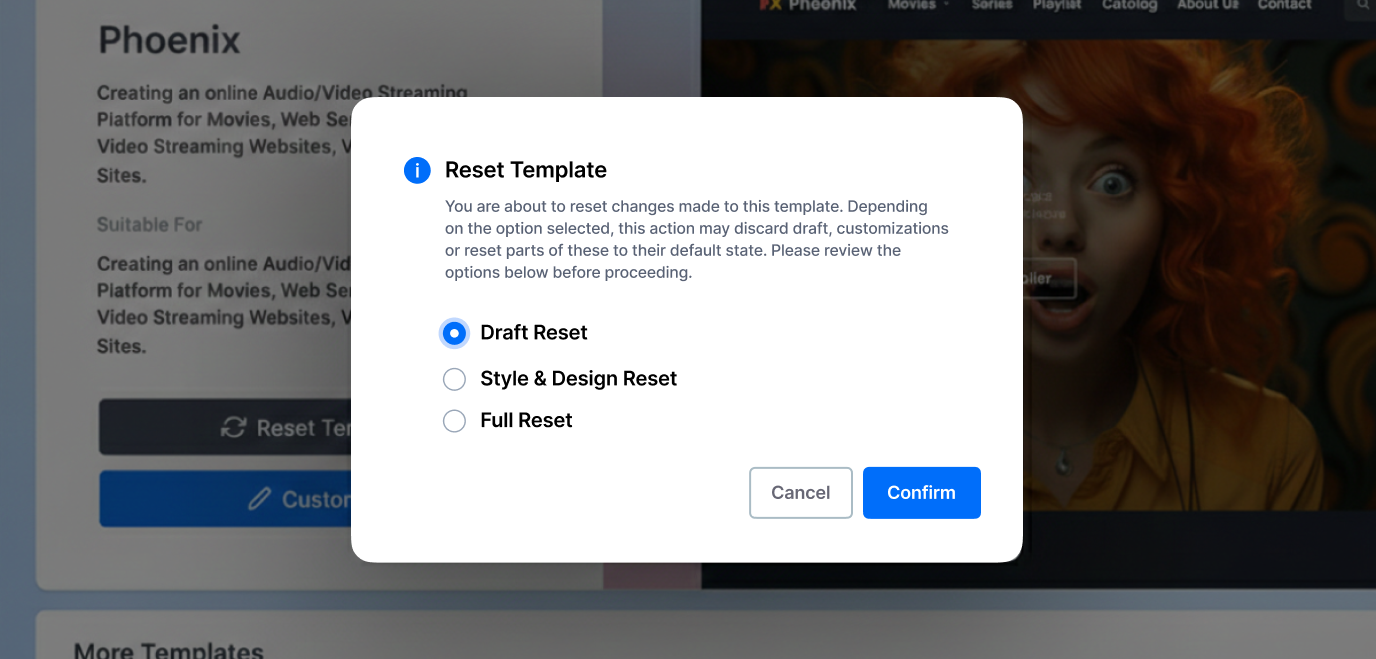
Every team that works on website drafts knows how quickly a clean version can get messy.
A few edits turn into many. One experiment overlaps with another. Then someone wants to start over, but rolling everything back manually takes more effort than it should.
Draft Reset fixes that in the most practical way possible. Teams can instantly discard draft changes and restore the draft to match the currently published version, without touching the live website.
That gives people more room to test ideas without being overly cautious. And when something does not work, they can start fresh in one click instead of spending time cleaning up a half-broken draft.
QR-Based Checkout for TV Apps
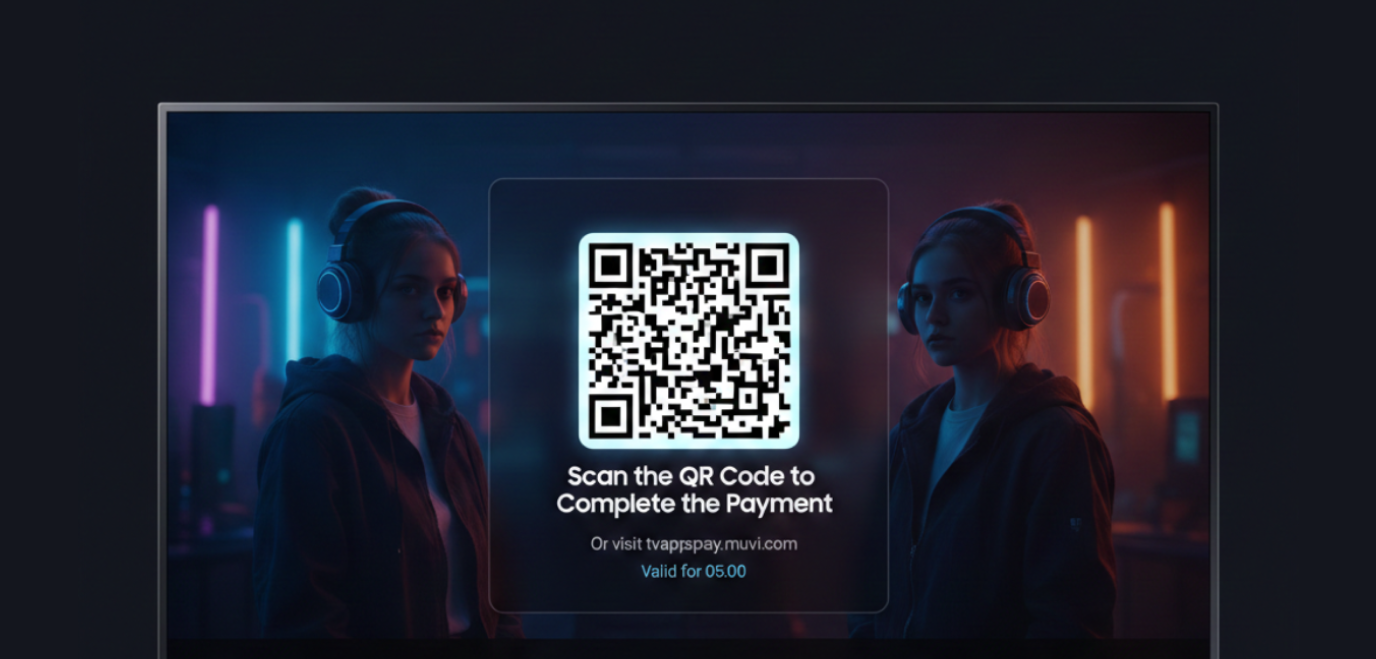
Watching on TV feels natural. Paying on TV usually does not.
That is exactly the problem this update solves.
With QR-Based Checkout on Samsung, LG, and VIDAA TV apps, users can select premium content, scan a secure QR code shown on screen, complete payment on their phone, and unlock the content instantly on TV.
It is a much better flow than trying to force payment through a remote-led interface. Users stay in the TV experience, but complete the transaction on the device that is actually built for it.
For platforms offering subscriptions or pay-per-view on TV apps, this makes monetization far more practical without disrupting the viewing journey.
Private Content and Private Playlists for More Intentional Access
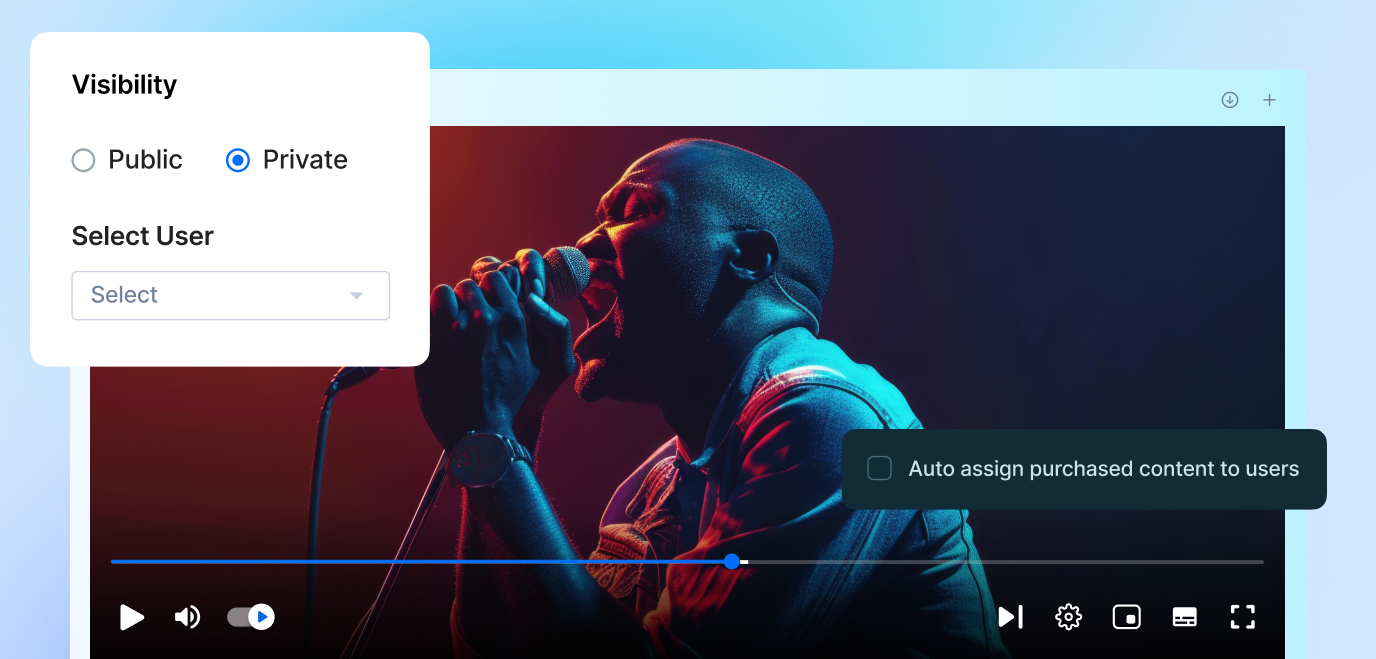
Not all content access needs to work the same way.
That is why Private Content & Playlists are useful as two separate controls.
Private Content works at the individual asset level, which makes it useful for premium, sensitive, or entitlement-based content. Access can be tied to subscriptions or pay-per-view logic, and visibility can stay aligned with what the user is actually allowed to see.
Private Playlists solve a different problem. They allow admins to grant access to entire curated collections, which makes them especially useful for courses, structured programs, guided libraries, or user-specific content groupings.
The bigger value here is control with intent. Teams can decide not just what stays private, but how access should be structured depending on the content type and the use case.
Granular Sub-Menu Access Control for Better CMS Governance
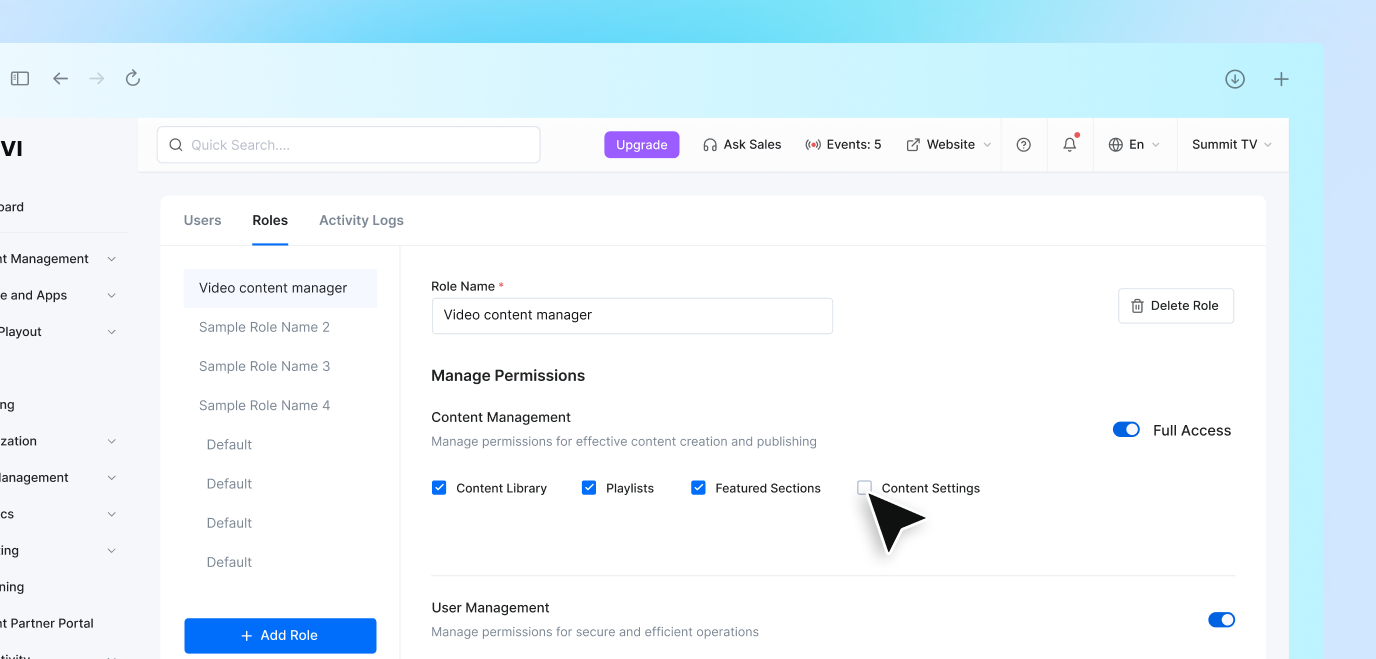
Access control often sounds complete until someone actually logs into the CMS and sees far more than they need.
That is where granular sub-menu permissions make a real difference.
Instead of controlling access only at the main module level, teams can now create roles with access to specific sub-sections inside a menu. So if someone only needs Engagement Analytics, they can get exactly that without being exposed to the full Analytics module.
That helps reduce over-access, protect sensitive sections, and keep CMS views more focused for different teams.
SRT Ingest for More Reliable Live Contribution
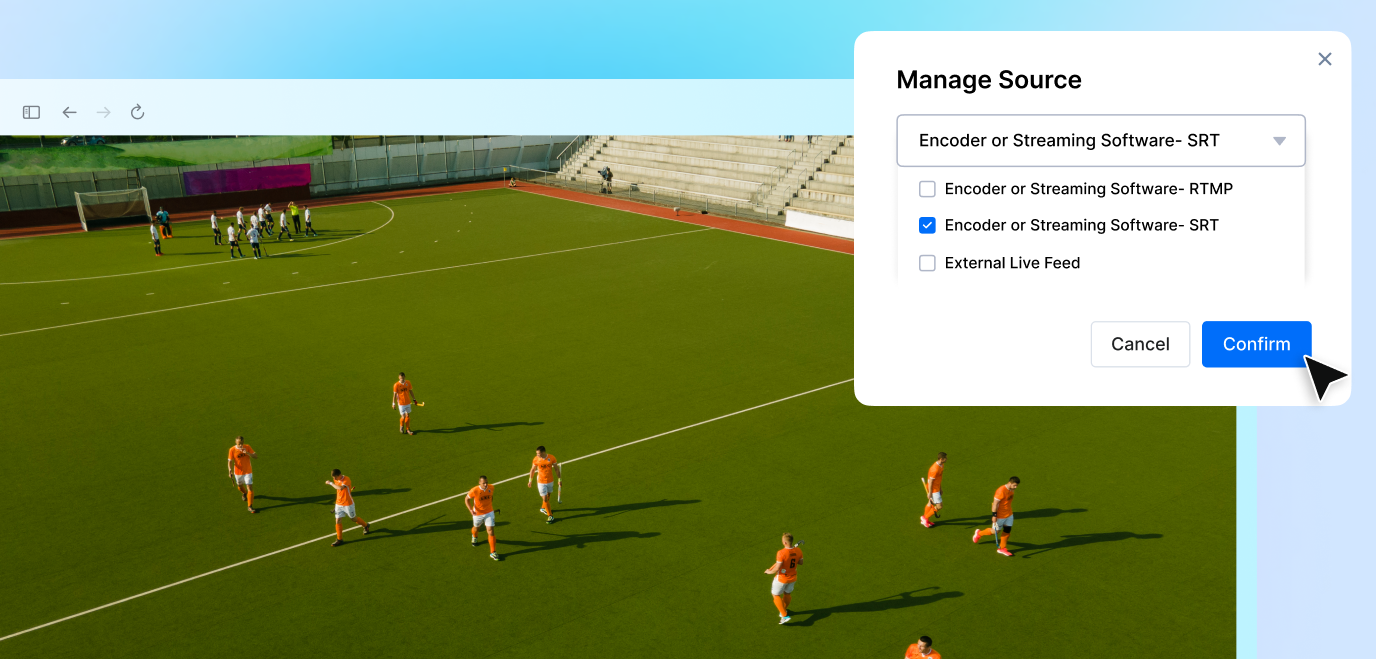
Live streaming becomes a lot harder when the incoming feed is coming from an unstable or unpredictable network.
That is why SRT Ingest matters.
With SRT support, live streams can be pushed more reliably from remote locations, field environments, professional encoders, and on-premise setups where packet loss, jitter, and fluctuating bandwidth are real concerns.
This makes the feature especially relevant for sports, field reporting, live events, remote production, and enterprise broadcasts where contribution reliability matters just as much as viewer-side delivery.
What makes the update stronger is that it improves reliability without making setup feel difficult. Teams can still work with a familiar URL-and-key style flow while getting the benefit of more dependable live ingestion.
Alie Credits as the Usage Layer Behind AI Features
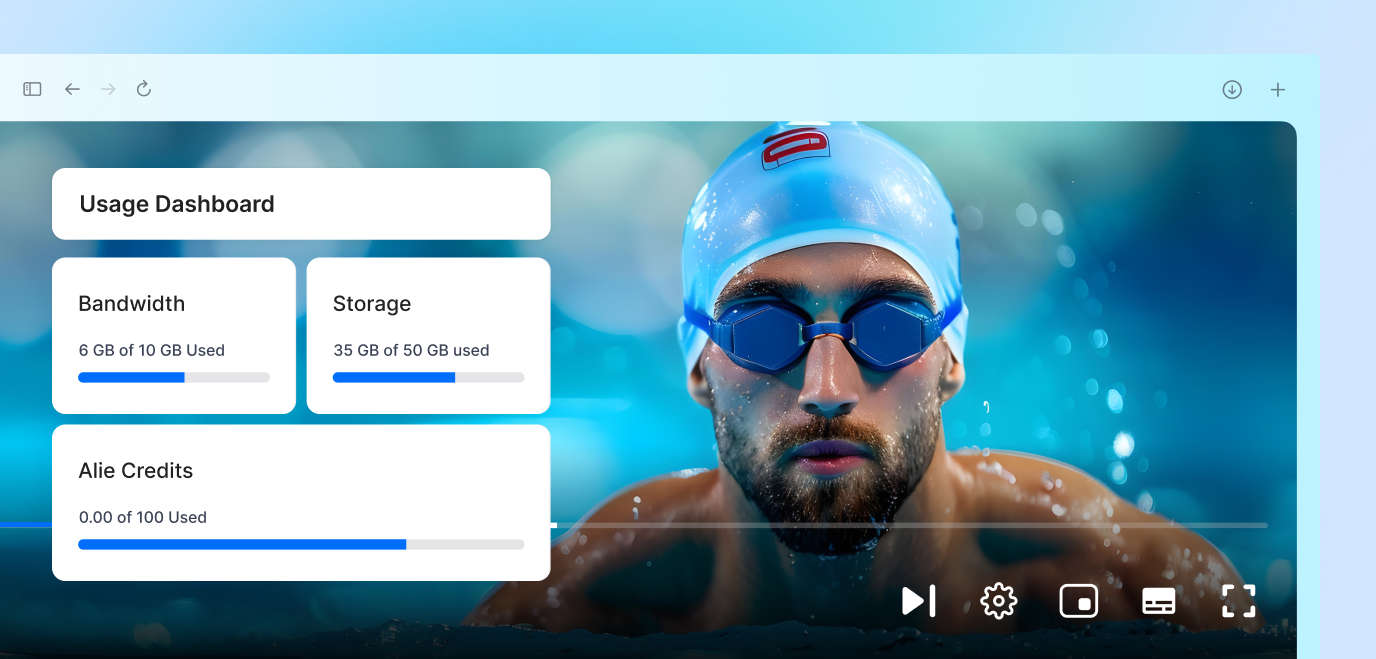
As more AI capabilities get added across products, the question is no longer just what AI can do. It is also how that usage is managed in a practical way.
Alie Credits is designed to handle that.
It works as a wallet for the variable costs tied to AI-powered features across Muvi products. That includes things like subtitles, translations, video chaptering, and metadata generation.
This matters because AI features are rarely fixed-cost in real usage. Their cost depends on volume, processing, and how heavily teams use them. A credit-based system makes that easier to manage and easier to scale.
Wrapping Up,
What makes this set of updates interesting is not just the number of features shipped. It is the kind of work they are doing.
Some help platforms grow. Some make monetization more local and more usable. Some improve analytics, access, and internal control. Others solve practical platform problems that teams run into every day but rarely talk about in product headlines.
Taken together, these updates make the platform easier to operate, easier to monetize, and easier to adapt to real business needs. That is what makes them worth paying attention to.
Take a 14-day Free Trial, now!








Add your comment